
Latest News & Trending Stories | News in shorts
Stay ahead with real-time news and trends. From politics to pop culture, get the scoop first here! Discover what's buzzing today.

Domestic Institutions Ignite Massive Upswing as DIIs Pump ₹28,300 Crore Into Equities in One Week
Domestic Institutions Ignite Massive Upswing as DIIs Pump ₹28,300 Crore Into Equities in One Week

GLOBAL TRADE SURGES AS NEW SUPPLY CORRIDOR REWRITES WORLD LOGISTICS MAP
GLOBAL TRADE SURGES AS NEW SUPPLY CORRIDOR REWRITES WORLD LOGISTICS MAP
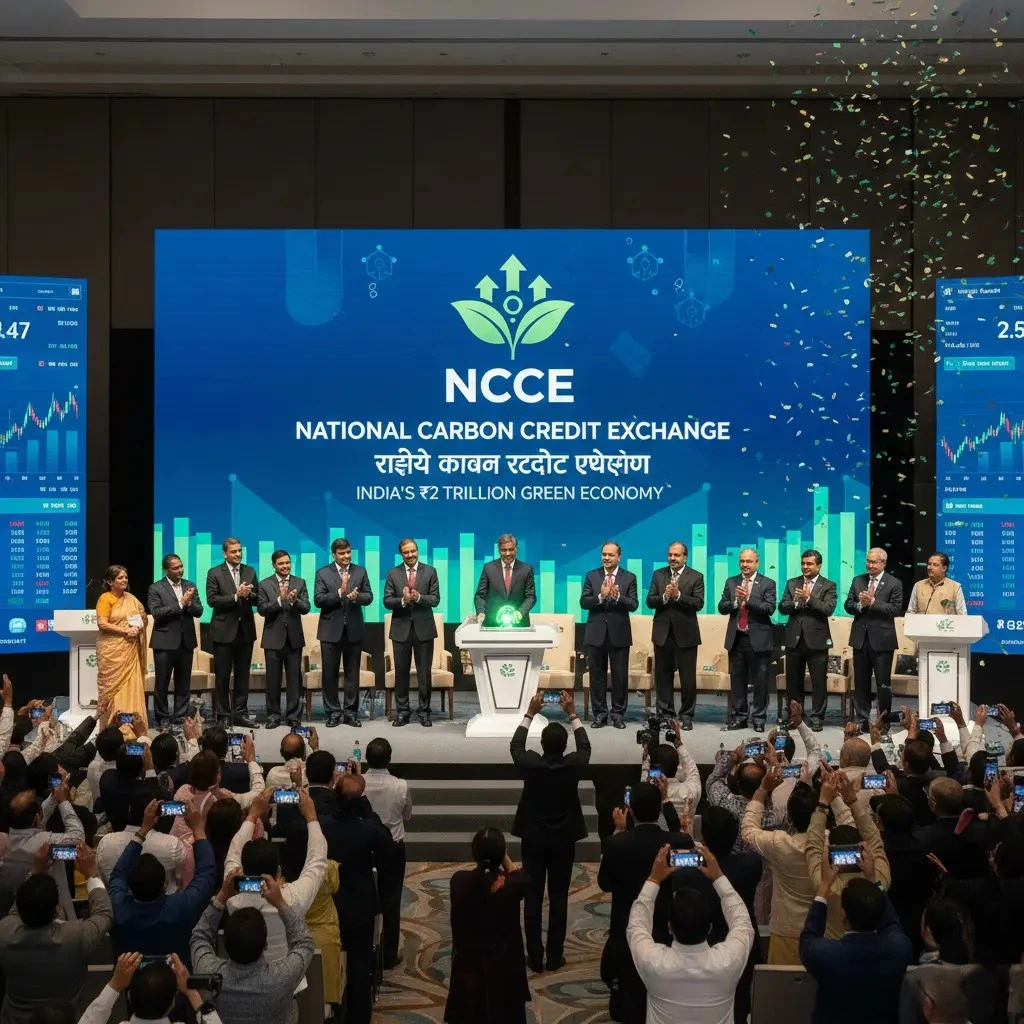
India Launches ‘National Carbon Credit Exchange’; Markets See Birth of a ₹2 Trillion Green Economy
India Launches ‘National Carbon Credit Exchange’; Markets See Birth of a ₹2 Trillion Green Economy
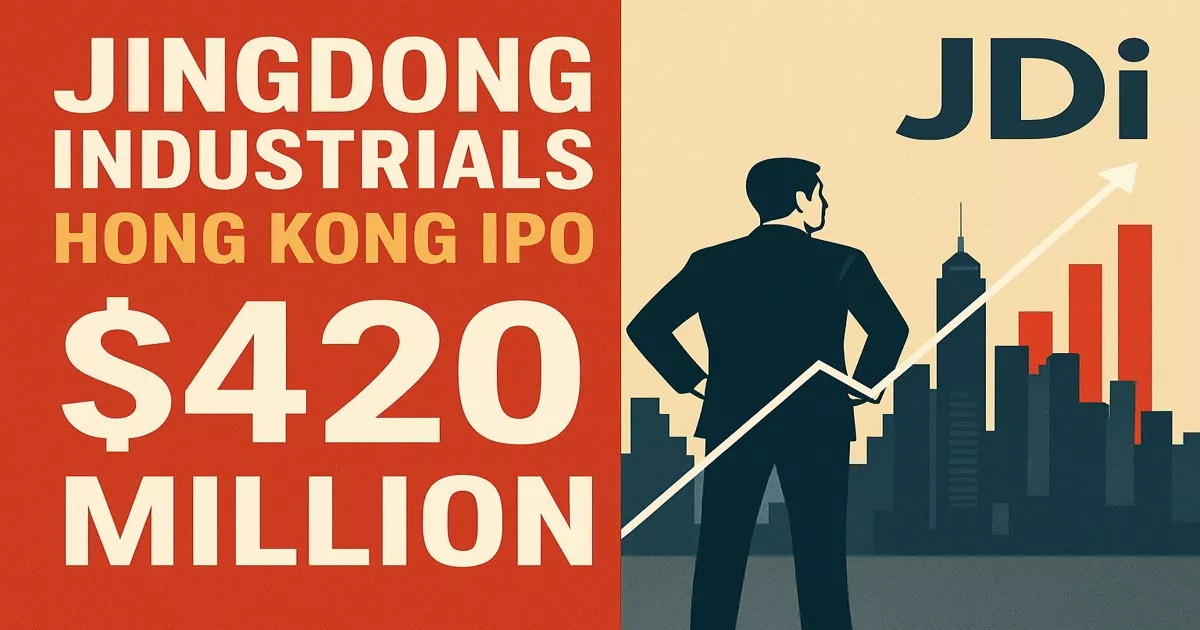
China’s JD.com Unit Sets Sights on $420 Million Hong Kong IPO
China’s JD.com Unit Sets Sights on $420 Million Hong Kong IPO

India’s ISRO Surprises the World With the Launch of “SuryaNet,” A Solar-Powered Satellite Internet Constellation
India’s ISRO Surprises the World With the Launch of “SuryaNet,” A Solar-Powered Satellite Internet Constellation
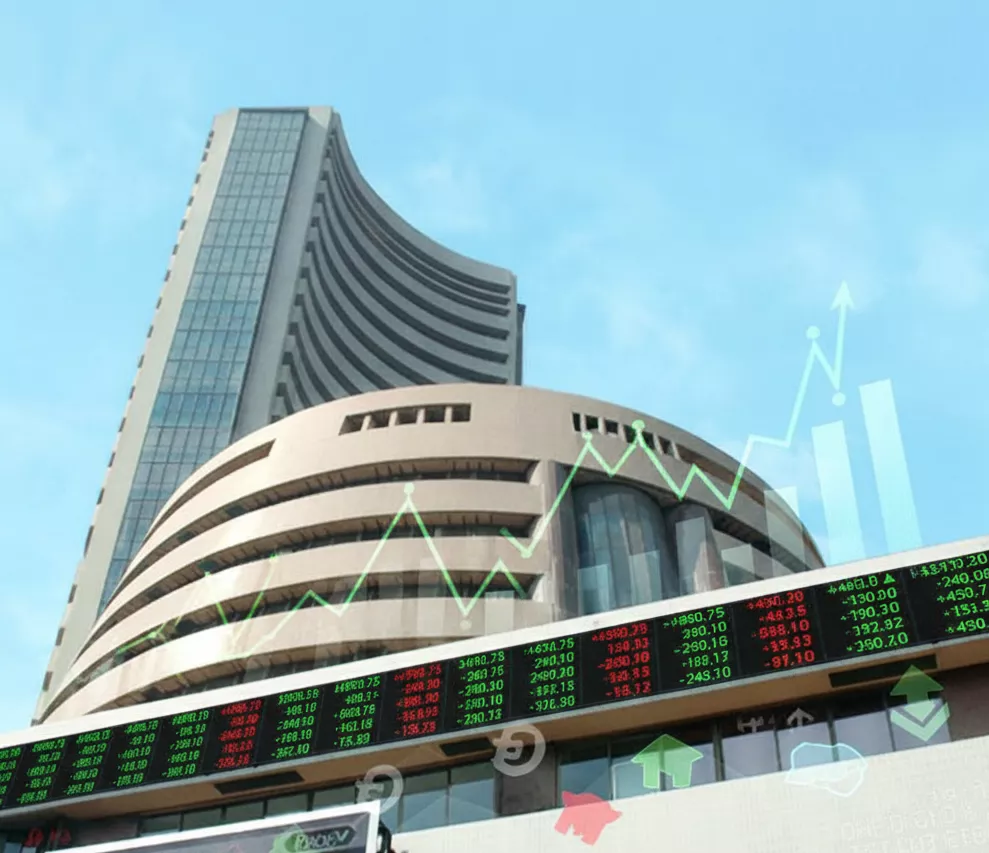
India’s Markets Jump on Trade Optimism and Tech Strength
Indian stock markets saw a sharp rise on November 19, driven by trade-deal hopes and strong technology stock performance.

The Quarterly Tilt: How a Simple Sector Rotation Strategy is Helping Savvy Investors Smash the Index
A disciplined quarterly sector-rotation strategy is helping investors outperform the index by 15–20%.

How AI is changing Filmmaking Worldwide
AI is quietly rewriting how movies and web-series get made—start to finish.

Top 5 Credit Cards in India to Earn Maximum Airline Miles (and Fly Free)
MUMBAI: If you put big spends on plastic, these five cards can turbo-charge your airline miles. We’ve shown miles earned per ₹100 and what ₹5,00,000/month looks like.

How to Take a Luxury Trip on a Smart Budget
MUMBAI—Indian travelers are quietly engineering five-star holidays with a simple, repeatable system that upgrades every rupee: anchor the budget, stack elite benefits, and time the close.

Get Your Next Business Class Upgrade with This Simple Trick
NEW DELHI—Mid-career travelers are snagging surprise Business Class seats with a simple, repeatable playbook that blends fare smarts, loyalty timing, and gate tactics—no celebrity status required.

The “Upgrade Delta” Playbook Helping 35-Somethings Land Their Next Luxury Car
MUMBAI—Mid-career buyers are quietly using a proven, numbers-first hack to step into luxury badges without wrecking cashflow. The Upgrade Delta method flips the usual “what’s the EMI?” chat into an 18-month plan that targets residual value, not sticker shock.

The 24-Month “Dream Car” Hack Young Professionals Are Quietly Using
MUMBAI—A rising cohort of first-time buyers is turning aspirational wheels into a 24-month execution plan—no lottery, no miracle IPO. The playbook blends cash discipline, credit stacking, and timing the market so depreciation works for you, not against you.

The 12-Week “Dream Vacation” Playbook Millennials Are Quietly Running—No Lotto Ticket Required
MUMBAI—A growing cohort of cash-smart travelers is bankrolling bucket-list getaways with a tight 12-week system that blends micro-savings, weekend side hustles, and ruthless subscription clean-ups—turning wanderlust into a line item.

The 90-Day iPhone Hack Gen Z Is Quietly Using to Upgrade—No Dad Loan Needed
MUMBAI—A growing wave of 20-somethings is snagging new iPhones with a simple 90-day playbook that blends micro-savings, side gigs, and smart timing—no parental bailout required.

The Smart-India Playbook for Stock Market Investing (Without Losing Sleep)
MUMBAI—Wealth creation in Indian equities isn’t about hot tips; it’s about a rules-based game you can run for decades.

The next Big Winner in the Stock Market. Read this article to find how Smart Investors spot the next Winning Stock.
Gautam Shah is a veteran stock market research analyst with decades of stock market experience. He has successfully predicted several multibagger stocks and explains ideas in clear, simple language.

10 Indian Cities on Pakistan’s Nuclear Target List (Unofficial Report Leaked)
An unofficial leak from military circles claims Pakistan’s first nuclear targets in India include: New Delhi, Mumbai, Pune, Ahmedabad, Jodhpur, Chandigarh, Pathankot, Srinagar, Bhopal, and Bengaluru. The mere listing of these names is enough to send a chill down the spine of every Indian citizen. What follows is a city-by-city account of why these urban centers are allegedly in the crosshairs – and the apocalyptic devastation that would unfold if a nuclear strike hit each one. Brace yourself.

Trump vs Hitler: Two Leaders, One Dark Pattern?
Are Trump and Hitler reincarnated energies? Or is it just a pattern of power, pride, and peril repeating through time?

Astrologer’s Bold Claim: “India-Pakistan Clash is Coming
The planets are warning us. India and Pakistan must listen to both their people and their planets before stepping into something they can’t take back.

The Rise of True Intelligence: AGI’s Breakout in 2024
While AGI brings excitement, it also demands responsibility. The coming years will be key to integrating it ethically and preserving human values.

Breaking: Climate Tipping Points Accelerating in 2024
A new study by global climate scientists warns that key environmental tipping points are approaching faster than expected, risking irreversible damage.

Space Race 2.0: Private Companies Lead the Mars Mission Race
Private aerospace giants are transforming the future of interplanetary travel with bold plans for Mars colonization in the coming decade.

Midnight Strike: Did India's Attack on Pakistan Follow the Stars?
Astrologers say India’s missile strike on Pakistan wasn’t random. Mars, Saturn, and Rahu aligned in a rare pattern of karmic power. Was it destiny?