10 Indian Cities on Pakistan’s Nuclear Target List (Unofficial Report Leaked) | News In Shorts
Logo
Loading...

10 Indian Cities on Pakistan’s Nuclear Target List (Unofficial Report Leaked)

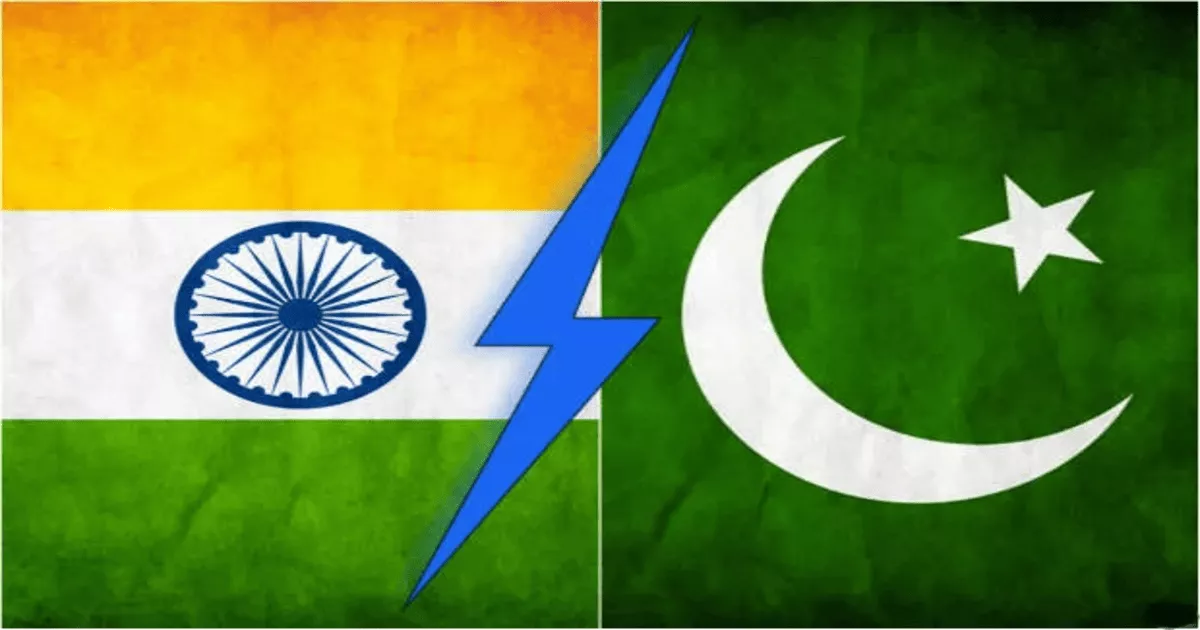
An unofficial leak from military circles claims Pakistan’s first nuclear targets in India include: New Delhi, Mumbai, Pune, Ahmedabad, Jodhpur, Chandigarh, Pathankot, Srinagar, Bhopal, and Bengaluru. The mere listing of these names is enough to send a chill down the spine of every Indian citizen. What follows is a city-by-city account of why these urban centers are allegedly in the crosshairs – and the apocalyptic devastation that would unfold if a nuclear strike hit each one. Brace yourself.

Share this article

Technological advancement representation
Nuclear war

New Delhi – Strike at the Heart of India’s Sovereignty

Why Targeted: New Delhi is India’s nerve center – the seat of government, home to Parliament, the Prime Minister’s residence, and top military brass. A direct hit on the capital would be a decapitation strike, crippling India’s ability to coordinate a response. Pakistan’s military planners (according to the leak) view New Delhi as Target #1 for its political significance and symbolism. Wiping out Delhi’s leadership and command structure in one blinding flash would throw the nation into chaos. The city also hosts major military headquarters and control centers, making it a high-value strategic target.

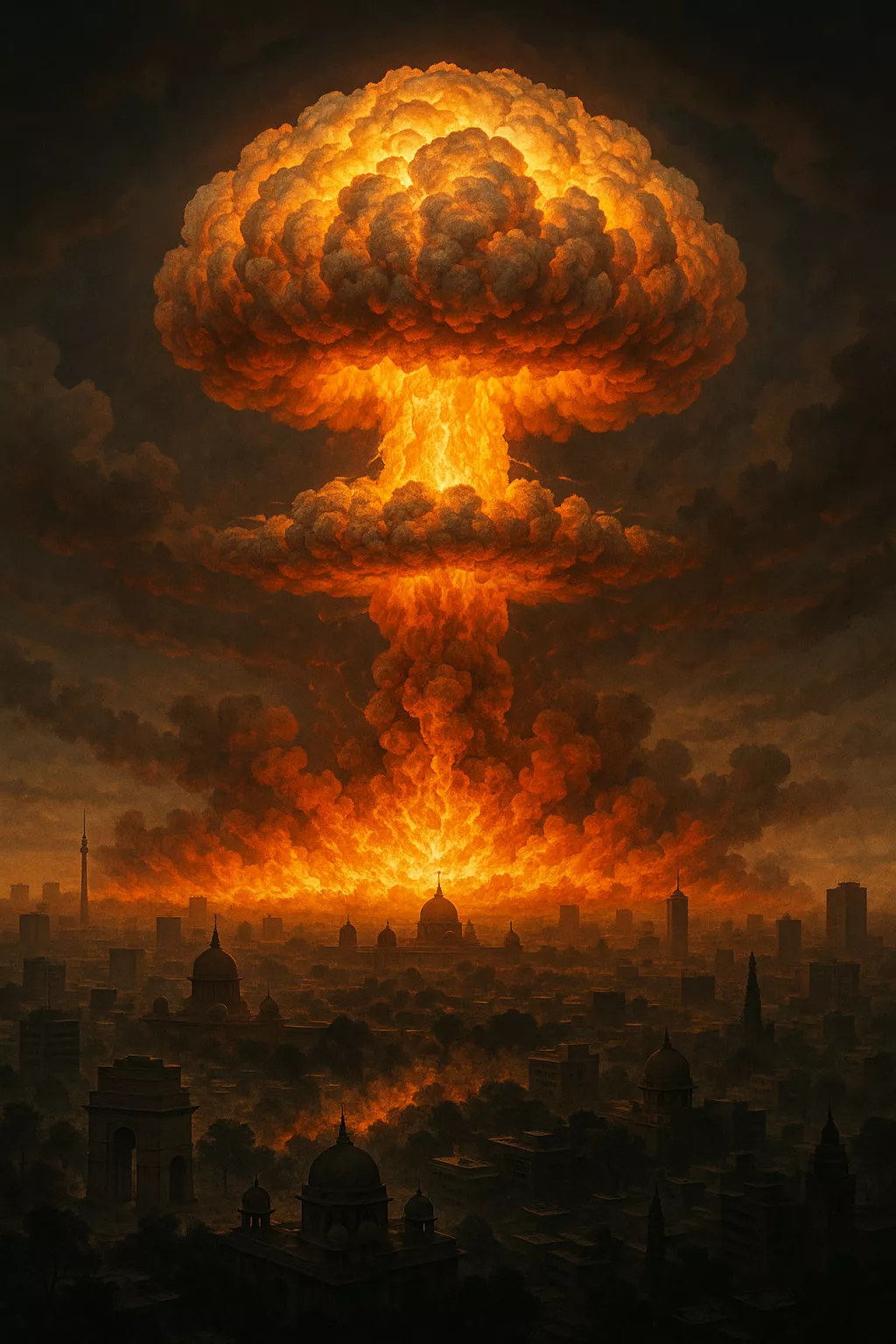
Projected Destruction: A nuclear blast over Delhi’s historic core – say near Rajpath or the Red Fort – would unleash unspeakable horrors. Temperatures at ground zero would instantly soar to millions of degrees, vaporizing everything and everyone in the immediate vicinity. The fireball would engulf Rashtrapati Bhavan, North and South Block, and Connaught Place in an instant inferno. Within seconds, a shockwave with hurricane-force winds would rip through Lutyens’ Delhi, flattening buildings and turning vehicles, trees, and people into flying debris. Blast Radius: Everything within a ~2 km radius* of the detonation would be reduced to rubble – essentially all of Central Delhi erased from the map. Death Toll: In one simulation, a single 45-kiloton warhead on New Delhi could kill approximately 3.68 lakh people (368,000) instantly and injure 12-13 lakhs more. With a larger 100 kt bomb, well over 20 lakh (2 million) lives could be snuffed out in the capital . Iconic landmarks like India Gate would be shattered husks. The survivors – if any – in surrounding neighborhoods would suffer severe burns and radiation sickness. The seat of Indian democracy would lie in radioactive ruins, its leadership decimated in one horrifying blow.

Mumbai – Obliterating India’s Economic Lifeline

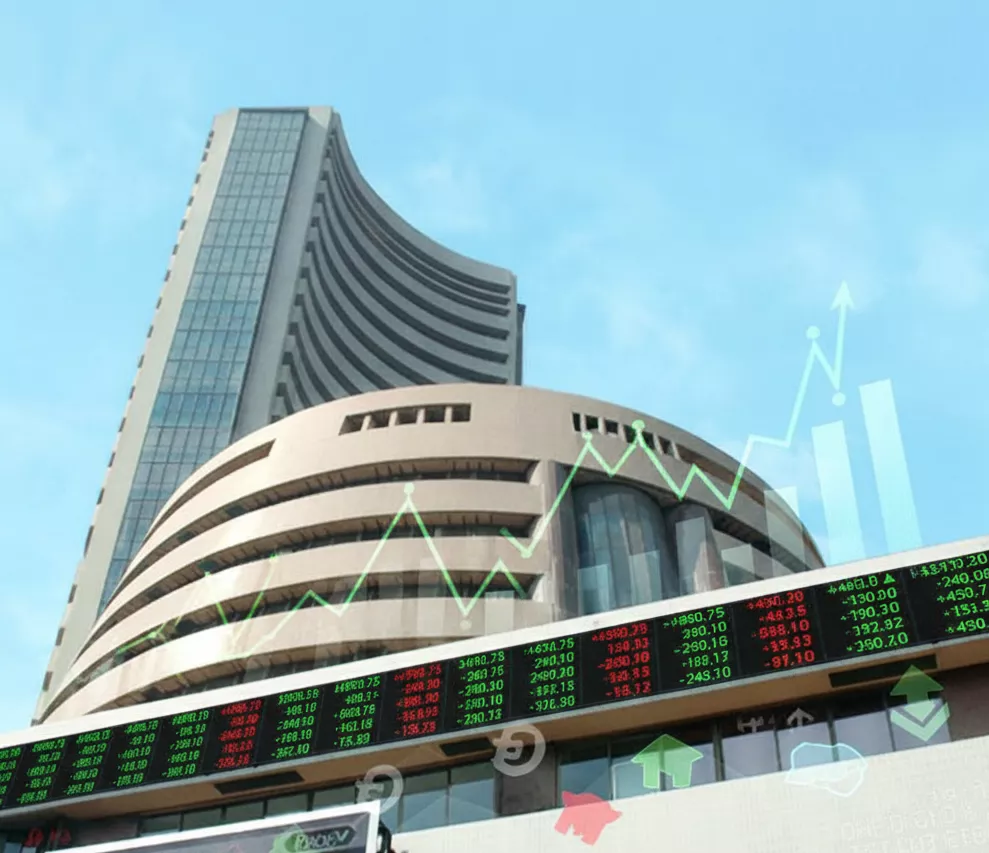
Why Targeted: Mumbai is the financial heartbeat of India, a densely packed metropolis of over 20 million and home to the nation’s stock exchanges, corporate headquarters, and the Bollywood film industry. This powerhouse city generates a huge share of India’s GDP – which makes it a prime target to cripple the economy and shatter morale. Karachi-based military strategists eye Mumbai’s sprawling port, oil terminals, and naval facilities as well. Striking Mumbai would not only inflict massive casualties but also paralyze banking, trade, and communications across India. The shock of seeing the “city of dreams” in flames would send ripples of panic nationwide – exactly the kind of psychological warfare a first strike is designed to achieve.

Projected Destruction: The detonation of a nuclear warhead over South Mumbai – near the bustling Chhatrapati Shivaji Terminus or the Nariman Point business district – would unleash a scene from nightmares. In the first milliseconds, a blinding flash brighter than a thousand suns ignites the midday sky. Buildings across Colaba and Fort ignite in flames, and a towering mushroom cloud begins to rise where the iconic skyline once stood. *Blast Radius: Within a 2.5 to 3 km radius, virtually every structure from the Gateway of India to Worli would be flattened by the overpressure shockwave. The instant death toll is estimated at around 5.8 lakh (580,000) souls in a 45 kt blast scenario – the highest for any city on this list. The inferno would roar through the crowded slums of Dharavi and high-rises of Marine Drive alike. Inferno and Fallout: Fuel depots and chemical plants in the docks could explode sequentially, engulfing large parts of the city in a firestorm. Those not killed immediately would face third-degree burns over several kilometers and lethal radiation. The few hospitals not reduced to ash would be overwhelmed with horribly burned victims. Mumbai’s economic might would be annihilated in moments, left as a glowing crater by the Arabian Sea.

Advertisement

Pune – Decimating a Military Nerve Center

nuclear chaos
nuclear chaos

Why Targeted: Often called the “Oxford of the East” for its education hubs, Pune might seem an odd choice – until you consider its strategic military importance. Pune hosts the headquarters of the Indian Army’s Southern Command, controlling Army operations across half of India. It’s also home to the National Defence Academy and several defense research labs. In addition, Pune’s burgeoning technology and automobile industries make it an economic and logistical hub. A nuclear strike on Pune would aim to cripple military command infrastructure in peninsular India and send a message that no part of the country, not even the relatively peaceful Deccan, is safe. The leaked report suggests Pakistan sees Pune’s mixture of military installations and dense urban population as a high-value target to knock out communications and sow chaos deep in India’s interior.

Projected Destruction: If a nuclear blast hit Pune’s Cantonment area – the very heart of its military establishment – the effect would be catastrophic. The Southern Command headquarters and nearby bases would be incinerated in an instant, wiping out key leadership and thousands of troops. *Blast Radius: Everything in a roughly 1.5 km radius (Camp, MG Road, Koregaon Park) would be flattened into smoldering rubble by the pressure wave. Death Toll: Likely hundreds of thousands of Pune’s residents would perish immediately. The city’s charming mix of old Peth areas and modern IT parks (Hinjawadi) would be transformed into charred wastelands. In the aftermath, raging fires would consume Pune’s historical Shaniwar Wada, colleges, and tech offices alike. Infrastructure Devastation: The survivors across Pune would find their city almost unrecognizable – hospitals gone, roads blocked by debris, power and water networks destroyed. A once-thriving cultural and IT city would be left silent except for the crackle of fires and the cries of the injured.

Ahmedabad – Industrial and Urban Annihilation

Why Targeted: As one of western India’s largest cities, Ahmedabad makes the list for its strategic industrial and logistical value. This Gujarat metropolis is a commercial powerhouse – from textiles and pharma to petrochemicals – and lies not terribly far from Pakistan’s borders. Analysts believe Pakistan’s planners would view Ahmedabad as a prime target to dismantle India’s industrial backbone in the west and terrorize a major population center outside of the usual metros. The city’s proximity to key oil refineries, ports (like Kandla), and even India’s space application center (ISRO has a major Space Applications Centre here adds to its profile. By striking Ahmedabad, an enemy would not only massacre its 8 million residents but also disrupt supply lines and manufacturing crucial to India’s economy and defense.

Share this article

Projected Destruction: A nuclear explosion over Ahmedabad’s dense city core (around the packed old city or SG Highway business district) would unleash hellish destruction. The initial fireball would erase centuries-old markets, temples, and modern skyscrapers alike in a heartbeat. *Blast Radius: Within a 1–2 km radius, neighborhoods from the Sabarmati riverfront to Navrangpura would be flattened to the ground, with close to 100% fatality in this zone. Death Toll: Estimates range in the several lakhs killed instantly, with many more injured and poisoned by radiation in the fallout zone downwind. The entire city would burn – wooden homes in the old pols igniting like matchsticks, while industrial areas hosting chemical factories might feed a toxic firestorm. The famous Sabarmati Ashram would likely be reduced to ashes, a tragic symbol of peace snuffed out by war. Economic Ruin: Ahmedabad’s textile mills, automobile plants, and warehouses would all be gone – a crippling blow that would echo across supply chains in India. The once-bustling city would be left a scorched, uninhabitable zone, its survivors (if any) wandering amid radioactive ruins.

Jodhpur – Flashpoint in the Desert

Why Targeted: Jodhpur sits on the edge of the Thar Desert in Rajasthan – relatively small in population (~1 million) compared to other targets, but huge in strategic value. It hosts a major forward Indian Air Force base and airfields that are critical for defending western India. Jodhpur’s airbase would be essential for India’s air retaliation or defense in a war – which is precisely why a nuclear strike might aim to eliminate it in one blow. Also, Jodhpur’s location – roughly a couple of hundred kilometers from Pakistan – makes it an easier mark for shorter-range missiles or bombers. The leaked report indicates Pakistan considers neutralizing Jodhpur’s military assets key to gaining early aerial superiority. As a bonus (from an aggressor’s view), the strike would terrorize Rajasthan’s population and shatter a historic city that holds cultural significance as the “Blue City.”

Projected Destruction: A nuclear blast at ground level on Jodhpur’s air force station would obliterate fighter jets, runways, hangars – the entire military installation vanishing in a searing flash. *Blast Radius: The city of Jodhpur itself, which closely adjoins the base, would not be spared. The fireball and shockwave would tear through the city’s urban area – from the walls of Mehrangarh Fort to the blue houses of the old city – within seconds. Death Toll: Likely tens of thousands killed outright at the base and in the city, if not more. Complete Chaos: The iconic Umaid Bhawan Palace on the horizon might survive the initial blast due to distance, only to be battered by the following shockwave and flying debris. A mushroom cloud rising from Jodhpur’s desert would cast a deadly radioactive shadow for miles. Aftermath: With one of India’s key western airbases gone, emergency services (if any remain) would struggle to reach the ruins. Radiation and fires would turn Jodhpur into a desert graveyard, its strategic role nullified and its population decimated.

Advertisement

Chandigarh – Command Hub Reduced to Ash

Why Targeted: Chandigarh might seem peaceful with its neat avenues and parks, but it’s a bullseye of strategic command. This city serves as the capital of two states (Punjab and Haryana), and more importantly, sits next to Chandimandir, headquarters of the Indian Army’s Western Command. That makes it a juicy target to knock out India’s military leadership in the north. Pakistan knows that Western Command directs critical defenses against any Pakistani incursion; decapitating it with a nuke would sow confusion on the frontline. Moreover, Chandigarh is a symbol of modern Indian urban planning and prosperity in the north – destroying it would be an emotional and psychological blow, sending millions in Punjab and Haryana into panic. The unofficial leak puts Chandigarh high on the target list due to this potent mix of military and political importance.

Projected Destruction: A nuclear detonation centered on Chandigarh’s Sector 17 – the heart of the city – would be cataclysmic. The city’s famous Capitol Complex designed by Le Corbusier would vanish in a blinding flash. *Blast Radius: Complete devastation up to ~1 km from ground zero – sectors 16, 17, 18 wiped off the map – and severe damage well beyond. The initial blast and thermal pulse could kill over 2.28 lakh (228,000) people immediately in this well-populated city. Wider Impact: The surrounding tricity area (including Mohali and Panchkula) would also be badly affected by the shockwave and ensuing fires. The Western Command’s facilities at Chandimandir, just a few kilometers away, would be ,engulfed by the fireball or flattened by the blast wave, taking out key Army leadership in an instant. ,Fire and Fallout: Chandigarh’s neat grid of sectors would break out in an uncontrolled inferno; even the best firefighting units (if they survived) couldn’t contain the blazes amid radioactive debris. Within hours, the City Beautiful would be unrecognizable – a charred, smoking plain dotted with remnants of buildings. Human Cost: Hundreds of thousands more would suffer injuries and radiation in the fallout plume extending far into the Punjabi countryside. A center of governance and military coordination in North India would be reduced to ash and chaos.

Pathankot – Forward Airbase Wiped Off the Map

Why Targeted: Pathankot sits only about 40 km from Pakistan at the foot of the Himalayas, and it hosts one of India’s most crucial forward air force bases. This airbase is a lynchpin for defending India’s northwest and for launching air operations into Pakistan if war breaks out. In fact, Pathankot Air Force Station is considered “one of the strategically most important forward airbases of India during war and peacetime surveillance”. Given its role and vulnerability, it’s no surprise that Pathankot features on the leaked target list. A nuclear strike here would aim to ,instantly neutralize India’s air capabilities in the Punjab-J&K sector, blind early warning systems, and demoralize Indian forces. Additionally, Pathankot is a gateway to Jammu & Kashmir; its destruction would cut off logistical support to forces up north.

Projected Destruction: A nuclear blast over Pathankot would primarily be a military strike with massive civilian collateral damage. The fireball would consume the entire airbase – MiG fighter jets, helicopters, ammo depots, all vaporized in one cruel moment. *Blast Radius: The town of Pathankot adjoining the base would be leveled flat for kilometers. Residential areas, markets, schools – everything would be crushed by the blast wave or burned in the raging fires that follow. ,Death Toll: Though Pathankot’s population is smaller than other cities on this list, the proximity means tens of thousands of residents would die instantly, and virtually the entire population would be exposed to deadly radiation and injuries. Military Loss: The loss of aircraft and radar at this frontline base would leave northern India exposed to further strikes. Aftermath: The strike would leave a huge radioactive crater where the airbase stood, and a once-bustling border town would become a ghost of ashes. Emergency response from outside would be nearly impossible initially, given intense fallout and infrastructure collapse. This single strike would carve a hole in India’s border defenses, fulfilling the aggressor’s grim objective but at the cost of an entire city’s annihilation.

Share this article

Bengaluru – Silencing the Tech Capital

Why Targeted: Bengaluru (Bangalore) is the technology and innovation capital of India, often called the Silicon Valley of the country. It’s home to the headquarters of ISRO (India’s space agency), the Indian Air Force’s Training Command, and numerous defense R&D labs (DRDO facilities working on missiles, AI, aerospace). In short, Bengaluru is a ,brain center for India’s defense and space programs. A nuclear strike here aims to knock out critical tech infrastructure and talent – crippling everything from satellite control to software systems that power India’s economy and defense. Additionally, Bengaluru’s population of over 10 million and status as Karnataka’s capital means the human and political cost would be enormous. The leaked list ranks Bengaluru as a target to ,“bleed India’s technological future dry” in the event of war.

Projected Destruction: If a nuclear bomb detonated over Bengaluru’s iconic cityscape – say above the Vidhana Soudha (the state legislature building) or the dense Electronics City tech park – it would unleash a conflagration unlike any the city has ever known. *Blast Radius: The immediate fireball would envelop ISRO’s headquarters and top IT company campuses, melting scientific equipment and servers in an instant. Skyscrapers housing multinational tech firms would collapse like houses of cards within a 2 km radius of ground zero. Death Toll: The city’s high population density means the toll could easily cross a million in a large yield blast, especially if key areas like Majestic, MG Road, and Koramangala are within range of the shockwave. Cultural and Economic Loss: Bengaluru’s famous gardens (the “Garden City” no more) would be scorched black. The loss of tens of thousands of engineers, scientists, and developers would deal a generational blow to India’s technological prowess. Infrastructure Collapse: The tech hubs would be gone, but so would basic infrastructure – telecom networks, internet exchanges, power grids – plunging not just Bengaluru but potentially large parts of India into a communication blackout. A once-bustling metropolis of innovation would be transformed into a silent plain of smoking rubble, its great minds and vibrant culture extinguished in a flash.

These ten nightmare scenarios are almost too harrowing to imagine, yet this leaked “target list” forces us to do exactly that. In each case, the reasons for targeting are coldly strategic – aimed at hobbling India’s leadership, military, economy, and spirit – and the expected outcome is pure horror: cities wiped off the face of the earth in minutes. The blast, fire, and radiation from even a single nuclear explosion would cause suffering on a scale unprecedented in human history. Important to note: beyond the immediate destruction, radioactive fallout could spread 50+ km downwind, silently killing many more and contaminating land for decades. The cumulative death toll and agony from even a limited nuclear strike on these cities would defy comprehension – truly “scary as hell,” as one analysis bluntly put it.

This unofficial report underscores a terrifying truth: in a nuclear war, there are no winners – only a devastated nation and a mourning people. India’s great cities, each a world of history, culture, and lives, could be turned into ghostly wastelands of ash in the span of an afternoon. It is a sobering reminder of why nuclear conflict must be prevented at all costs. The imagery of New Delhi, Mumbai, and others on this list in flames is nightmare fuel – and a call for every citizen to hope and work for peace, so that these dreadful scenarios never become reality.

Advertisement

Related Articles

Comments (0)

Join the Conversation